• Skip to main content
Schedule Appointment
Menu
  • Inventory
    • Live Inventory
    • Remnants
    • Full Slabs
  • Countertops
    • Signature Color Collection
    • Quartz Surfaces
    • Natural Stone
    • Porcelain/Ultra-Compact
    • Solid Surface
  • Who We Serve
    • DESIGN/BUILD/REMODEL
    • HOME BUILDERS
    • Commercial Builders
  • Gallery
  • Resources
    • Forms
      • Request A Quote
      • Countertop Order Form
      • Change Order Form
      • Service & Warranty
    • Learning Center
      • Bathroom Countertops
      • Best Stone Countertops
      • Care & Maintenance
      • Countertop Installation
      • Countertop Options
      • Countertop Stone Types
      • Edge Profiles
      • How to Measure
      • Kitchen Countertops
      • Most Durable Countertops
      • Outdoor Countertops
      • Pros & Cons: Solid Surface
      • Get Countertops on a Budget
      • Granite Pros and Cons
      • Granite VS Quartz
      • Material For Kitchen Countertops
      • Waterfall Countertops
      • Porcelain Countertops
      • Quartzite Countertops
      • Onyx Countertops
      • Soapstone Countertops
      • Gemstone Countertops
      • Different Countertop Types
      • Our Process
    • Blog
    • Visualizer
    • Virtual Showroom Tour
    • Warranty
    • Pay Invoice
  • About Us
    • About K.G. Stevens
    • Capabilities
    • Service Area
      • Milwaukee
      • Madison
      • Oshkosh
      • Rockford
    • Careers
    • Contact Us
(262) 432-1060
Schedule Appointment

Stephen Alberts

Feb 24 2026

Choosing The Right Thickness For Your Quartz Countertops: Why Thickness Is More Than a Number

When you shop quartz countertops, thickness sounds like a simple spec. In real kitchens and baths around Milwaukee, WI, thickness affects how your countertop looks at the edge, how it spans over cabinets, and what your installation needs for long-term stability. K.G. Stevens fabricates and installs quartz locally, so they see the same issues come up across remodels, new builds, and commercial projects: overhangs that need support, islands that need a thicker visual, and design plans that do not account for edge details until the last minute. 

Before you pick a slab, it helps to understand what “standard” quartz thickness means, how it changes the finished look, and where you can make smart choices without creating extra complexity.

The Standard Quartz Thickness Options: 1.2 cm, 2 cm, and 3 cm

Quartz slabs are commonly available in three thickness categories:

  • Ultra-thin: 1.2 cm (about 1/2 inch)
  • Thin: 2 cm (about 3/4 inch)
  • Thick: 3 cm (about 1 1/4 inches) 

These measurements describe the slab itself, not the finished countertop height once installed on cabinets. 

Where each thickness is typically used

  • 1.2 cm: Often used for vertical applications, decorative panels, and some modern designs where a slim profile is part of the look.
  • 2 cm: Common for countertops when paired with an edge build-up (more on that below). It is also frequently used for backsplashes and vertical features. 
  • 3 cm: A frequent choice for kitchen counters and islands where you want a thicker edge without added build-up steps.

Pro tip: If you love a clean, thin look, confirm your edge profile early. A thin slab with the wrong edge can look unfinished from across the room, especially on an island.
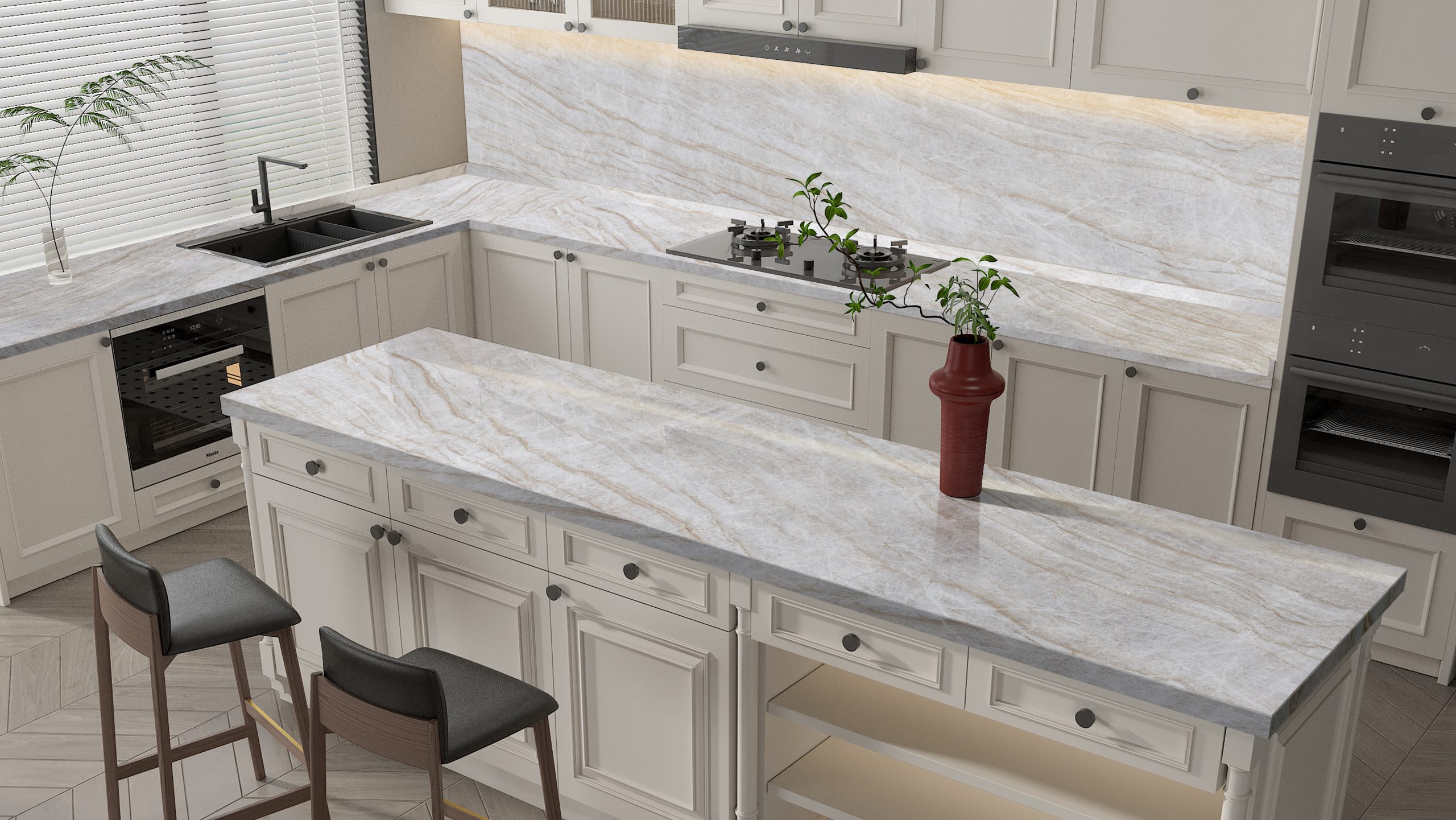
1E44FFBB 2AFE 48A7 91C6 E76F8D81F145 scaled

2 cm vs 3 cm Quartz: How to Decide Based on Your Layout

For most Milwaukee-area kitchens, the 2 cm versus 3 cm decision comes down to these factors:

1) Visual weight at the edge
A 3 cm countertop reads more substantial on perimeter runs and islands. It pairs well with traditional, transitional, and many modern farmhouse kitchens.
A 2 cm slab can look just as strong when it is paired with a built-up edge.

2) Overhangs, spans, and support planning
Thinner slabs can require additional support depending on overhang length, cabinet design, and how the countertop will be used.
This matters on island seating, desk-height counters, and long runs where the countertop bridges open space.

3) Project type

  • Busy family kitchen: 3 cm is often the simpler path because it reduces edge construction choices.
  • Bathroom vanity: 2 cm can be a practical fit, especially if you want a lighter visual profile.
  • Commercial work: Thickness decisions should align with durability needs and the look the space is aiming for.

Pro tip: If your island is a homework and entertaining hub, plan the thickness decision together with your overhang depth and seating layout. Those three choices should match.

Edge Build-Ups: How You Get a Thick Look Without Choosing a Thick Slab
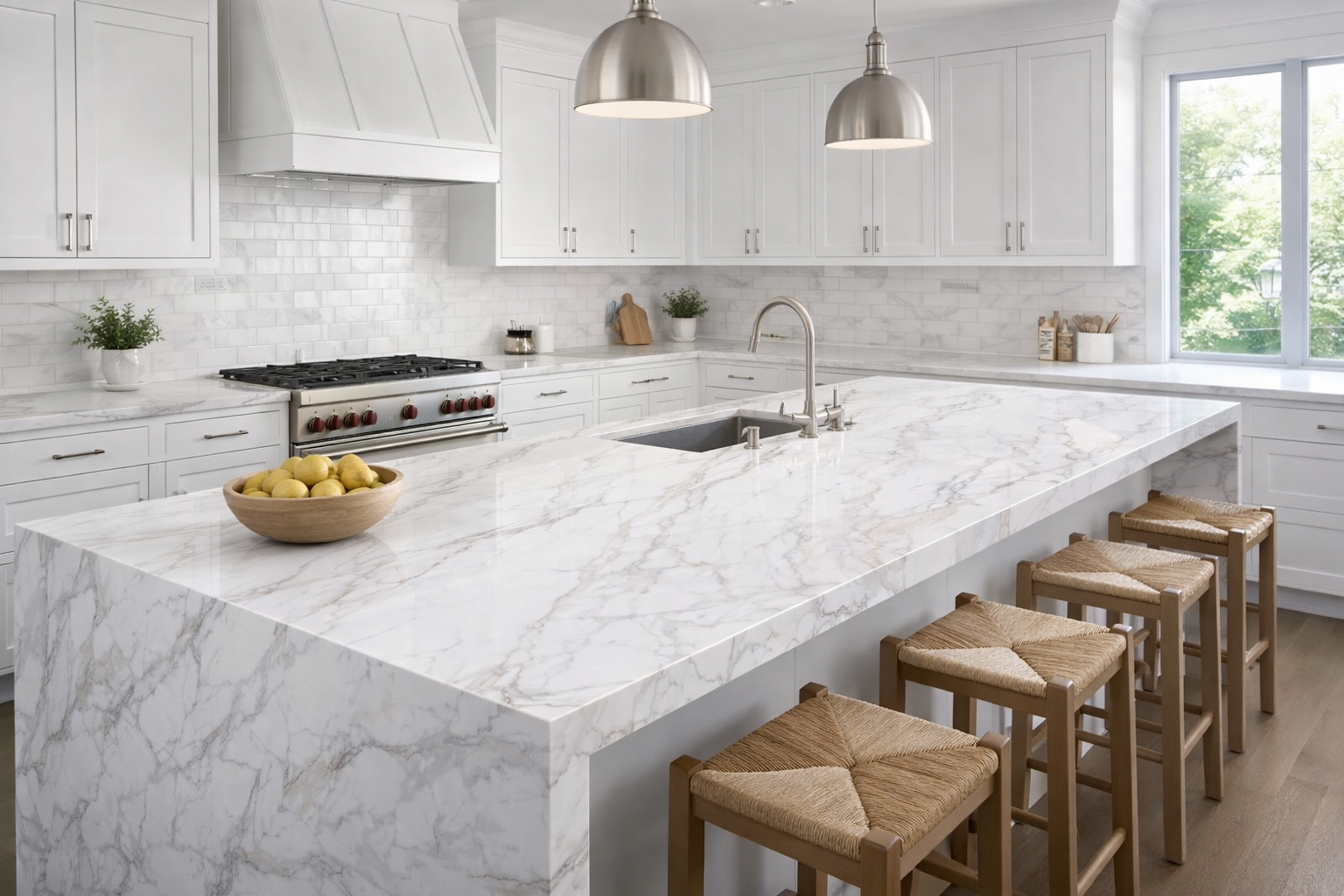
Nuage Quartz Kitchen

A common strategy with 2 cm quartz is a laminated (built-up) edge, where the fabricator builds the front edge to create the look of a thicker countertop.

This is useful when:

  • You want a thicker, furniture-style edge on an island
  • You want a consistent “thick” look across multiple areas
  • You are trying to match an existing countertop profile in another part of the home

What to check before you commit

  • Which edge profiles are compatible with a build-up
  • Whether seams or pattern transitions will be visible at the edge
  • How corners and radius details will be finished

Pro tip: If you choose a quartz pattern with bold veining, ask your fabricator how the veining will wrap around the edge. This is where a countertop can look clean or look patched.

For edge planning help, start with K.G. Stevens’ quartz resources and showroom guidance: Quartz Countertops. 

Practical Pro Tips for Milwaukee Homeowners and Builders

Plan thickness around your sink and faucet decisions
Your sink style and faucet layout affect cutouts and spacing. Lock those choices in before templating so thickness and edge planning stay on track.

Match thickness to the cabinet style
A sleek slab on ornate cabinets can feel mismatched. A thick-looking edge on flat-panel cabinets can feel heavy. Use thickness to support the cabinet style, not fight it.

Think about islands differently than perimeter counters
Many homeowners want a thicker edge only on the island for a focal point. That can be done with smart edge planning, even if perimeter counters stay simple.

Confirm your installer’s process
K.G. Stevens operates out of a large fabrication facility in Milwaukee and recommends scheduling a visit so you can review options in person. 

If you want a second perspective on how thickness affects design and function, this related post is useful: The Truth About Quartz Thickness: When And Why It Matters. 

Kitchen - Kiva Quartz Delphi Honed

Get Quartz Thickness Right Before Fabrication Starts

Choosing quartz thickness is one of those decisions that is easy to rush and hard to change later. If you’re remodeling in Milwaukee, WI or working on a new build nearby, K.G. Stevens can help you compare 2 cm and 3 cm options, plan edge details, and choose a thickness that fits your layout and your daily use.

Next steps:

  • Schedule a Showroom Visit 
  • Explore planning tips on the K.G. Stevens Blog 

Start with quartz options here: Quartz Countertops
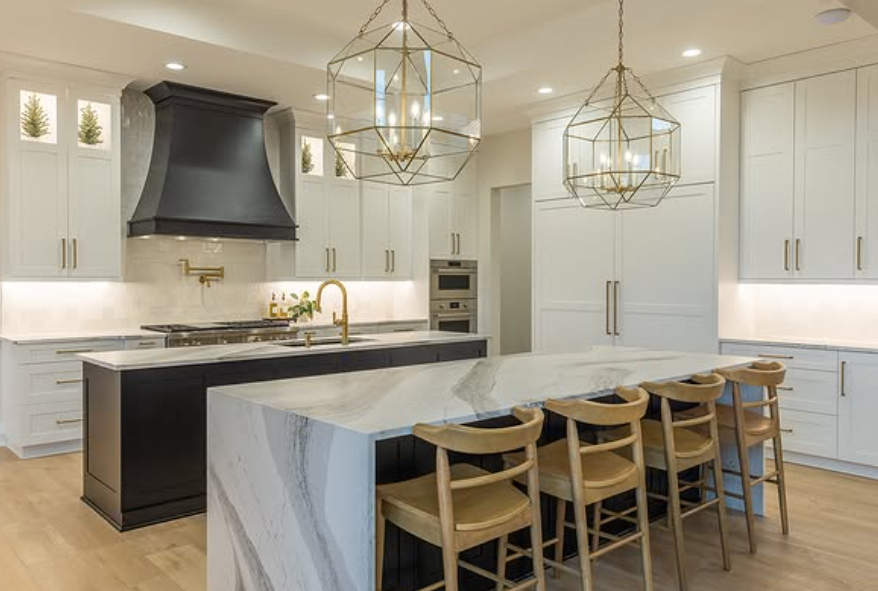
Categorized: Countertops, Caesarstone (Quartz), Corian (Quartz), Kiva Quartz, LX Hausys (Quartz), MetroQuartz, One Quartz, Q Quartz, Trends Quartz, Wilsonart (Quartz)

Jan 21 2026

Are Smart Countertops Worth It? A Buyer’s Guide for Milwaukee Area Homeowners

Smart home technology has made its way into kitchens across the country, and countertops are now part of that conversation. From integrated charging stations to embedded displays and sensors, so-called smart countertops promise convenience and connectivity. For homeowners in Milwaukee, WI, the real question is whether these features add lasting value or introduce complexity where it is not needed.

When planning a kitchen renovation or new build, understanding how smart countertops compare to traditional surfaces helps homeowners, designers, and builders make informed decisions.

What Are Smart Countertops and How Do They Work?

Smart countertops typically combine a surface material with embedded technology. Common features include wireless charging zones, touch controls, temperature indicators, or integration with other smart home systems.

These features are usually built into engineered materials or paired with modular inserts. The countertop itself still needs to function as a work surface, which means durability, installation quality, and long-term maintenance matter just as much as the technology.

For Milwaukee homeowners, where kitchens are used heavily throughout the year, the countertop must perform reliably in daily tasks before any added features are considered.

Pro tip: Ask whether smart features can be serviced or replaced without removing the entire countertop. This affects long-term practicality.

How Smart Countertops Compare to Proven Materials

Traditional countertop materials like quartz and granite continue to dominate the market. According to industry data from 2023 through 2025 published by the National Kitchen and Bath Association, quartz and granite together account for well over two thirds of new kitchen countertop installations.

These materials succeed because they focus on fundamentals. They handle daily use, resist common damage, and fit a wide range of kitchen designs. Smart countertops, by contrast, are still a niche option.

In Milwaukee homes, buyers often prioritize surfaces that will not require specialized service or proprietary parts years down the road. This is one reason many designers recommend keeping technology separate from permanent surfaces.

You can explore traditional countertop options here:
https://kgstevens.com/countertops/
https://kgstevens.com/quartz/
https://kgstevens.com/granite/

Practical Considerations for Milwaukee Area Kitchens

Milwaukee kitchens experience heavy seasonal use, from holiday gatherings to daily family meals. Countertops need to handle heat, spills, and cleaning without added restrictions.

Smart countertops may require specific cleaning methods to protect embedded components. Repairs may involve both a fabricator and a technology specialist. These factors can complicate ownership.

By contrast, traditional countertops are serviced by local fabricators who understand Wisconsin homes and construction practices. This local support matters when adjustments or repairs are needed.

Pro tip: If you like the idea of smart features, consider adding them through appliances or accessories rather than embedding them into the countertop itself.

Cost Versus Long-Term Value

Smart countertops often come with higher upfront costs due to technology integration and specialized fabrication. The challenge is determining whether that cost translates into long-term value.

In the Milwaukee housing market, buyers tend to recognize and trust established materials. While smart features may appeal to some, they do not yet carry the same broad market recognition as quartz or granite.

For homeowners planning to stay long-term, reliability often outweighs novelty. Builders and designers also consider how features will be perceived by future occupants.

Installation and Support Matter More Than Features

Whether choosing a smart countertop or a traditional surface, installation quality remains critical. Poor installation leads to problems regardless of how advanced the material or technology may be.

Working with a local fabricator ensures accurate templating, proper support, and clear communication. This is especially important if technology is involved, as coordination between trades becomes more complex.

K.G. Stevens provides fabrication and installation services with a focus on long-term performance. Their experience with quartz, granite, and other surfaces helps homeowners avoid unnecessary complications.

For insights on countertop planning and trends, homeowners can explore the K.G. Stevens blog:
https://kgstevens.com/blog/

Are Smart Countertops the Right Choice for Your Project?

Smart countertops may make sense in specific situations, such as showcase kitchens or tech-forward commercial spaces. For most Milwaukee area homes, however, proven materials paired with thoughtful design offer more reliable value.

Designers often recommend focusing on layout, lighting, and material selection rather than integrating technology into permanent surfaces. These elements age more gracefully and are easier to update over time.

Pro tip: Think about how your kitchen will function ten years from now, not just how it looks today.

Making a Confident Countertop Decision

Choosing a countertop is about balancing daily use, long-term ownership, and support. While smart countertops introduce interesting possibilities, they also introduce variables that many homeowners prefer to avoid.

Traditional materials remain popular because they work. When fabricated and installed by experienced local professionals, they support both form and function without added complexity.

Ready to Plan Your Countertop Project?

If you are renovating a kitchen, building a new home, or specifying surfaces for a project in the Milwaukee area, the right guidance makes all the difference. Understanding what adds value now and later helps you avoid costly missteps.

Contact K.G. Stevens to discuss your countertop options and installation needs. Their team works with homeowners, designers, and builders to deliver surfaces that perform reliably and fit real lifestyles.

A smart kitchen starts with smart decisions. K.G. Stevens can help you make them.

Categorized: Countertops

Dec 12 2025

Comparing Types of Countertops: Which Stone Drives Home Value The Most

When planning a full kitchen renovation or updating a space in preparation for resale, countertop selection plays a major role in perceived value. Many homeowners in the Milwaukee, Waukesha, and Madison areas focus on cabinets and flooring first, but the countertop is often the one feature buyers notice the moment they step into the room. So which stone material has the strongest impact on home value? The answer depends on a mix of durability, maintenance, longevity, and how the surface supports the overall look of the kitchen.

Below is a breakdown of today’s most common countertop types and how each influences function, appearance, lifetime return, and buyer confidence.

Quartz Countertops: Consistent, Low Maintenance, and High Resale Appeal

white quartz grey veining

Quartz continues to be a leading choice for Wisconsin homeowners. It offers durability and a consistent appearance that holds up through everyday use. Because quartz is non-porous, it resists stains and does not require sealing. This makes it attractive to families with busy schedules where spills are common and cleaning needs to be quick.

Quartz also finishes well with contemporary or transitional cabinetry, which is often seen in homes listed for sale. Its ability to pair easily with existing flooring, appliances, and wall colors gives it strong resale potential.

Why quartz increases value:

  • Low long-term maintenance requirements
  • Clean finish that stays bright over time
  • Holds up well in occupied homes

Explore available quartz options here: https://kgstevens.com/countertops-stone-types/

Pro Tip: Choose a shade that does not limit future upgrades. Light marbled patterns or softer solid tones provide lasting flexibility when repainting cabinets or changing appliances later on.

Granite Countertops: Natural Stone With Strong Buyer Familiarity

Black & White Granite Kitchen

Granite remains one of the most recognized countertop materials. For many Wisconsin homeowners, granite feels like a natural upgrade from their original laminate or solid surfaces. Granite holds up well to heat, normal prep work, and daily activity, which makes it practical. Color variation and slab movement also add personality to a kitchen, especially when paired with wood cabinetry.

From a value standpoint, granite delivers long-lasting durability and an appearance that maintains its character even after years of use. Buyers appreciate that granite can be refinished or resealed without major disruption, making it a dependable choice for resale.

Why granite increases value:

  • Natural appeal
  • High heat resistance
  • Long-term durability

Learn more about granite here: https://kgstevens.com/granite-countertops-in-milwaukee/

Pro Tip: For homes with large islands, consider selecting a slab with pattern direction that runs continuously. This visual flow enhances resale appeal.

Marble Countertops: Higher-End Look With Design Impact

Marble Countertops and Zen Design

Marble is selected for its visual softness and distinctive veining. It is often installed in homes undergoing full redesigns where homeowners want a standout feature. Marble requires mindful use, as its softer surface can etch with prolonged exposure to acidic foods. With proper sealing, marble stays attractive for years, especially in homes where cooking is planned and controlled.

For designers in Wisconsin who work with homeowners preparing for long-term ownership, marble represents an investment in aesthetic return rather than pure durability. When used on islands, vanities, or smaller focal sections, marble lifts the perceived quality of the space.

Why marble increases value:

  • Premium visual impact
  • Timeless aesthetic
  • Recognizable material identity

Quartzite Countertops: Durability Plus Natural Stone Appearance

Quartzite Kitchen

Quartzite offers the durability of granite with a visual presence closer to marble. Many Wisconsin homeowners choose quartzite because it has subtle veining, natural color tone, and toughness that holds up to daily use. Quartzite performs well around sinks and cooking areas and resists heat better than many alternatives.

Buyers perceive quartzite as a higher-end material because of its strength and mineral structure. When installed in modern kitchens featuring large islands, full-height backsplashes, or flush cooktop surfaces, quartzite elevates resale interest.

Why quartzite adds value:

  • High durability
  • Natural stone variation
  • Strong long-term appearance retention

Browse material variations here: https://kgstevens.com/countertops-stone-types/

Pro Tip: For busy kitchens, select honed or leathered finishes on quartzite to reduce day-to-day maintenance visibility.

Solid Surface and Laminate: Budget Smart, but Lower Resale Impact

Solid surface and laminate options serve important purposes for rental properties, secondary spaces, or lower-budget remodels. They offer flexible installation and appealing design choices. However, their impact on resale is noticeably lower compared to natural stone or quartz.

When preparing a home for market, buyers typically compare countertop quality first. A stone surface signals recent upgrade, better hygiene, and longer expected lifespan.

If remodeling for personal use rather than resale, solid surface still presents a functional way to freshen a kitchen without large cost.

Which Stone Material Drives the Most Value?

Based on Wisconsin market trends, quartz and quartzite consistently hold the strongest resale attraction. Granite remains close behind, especially when the slab has appealing movement or tone.

For homes expected to list within five years, these materials provide advantages in appraisals, showings, and real estate photography.

Ready to Choose the Right Countertop for Your Remodel?

Whether you want better resale positioning, long-term durability, or standout design appeal, KG Stevens fabricates and installs multiple stone types suited for Wisconsin homes. Our fabrication facility allows complete customization, and our selection includes full slabs for in-person comparison.

Schedule a consultation with KG Stevens and begin planning a surface that supports lifestyle, design, and long-term property value.

Categorized: Countertops

Dec 01 2025

Using Bookmatched Stone Countertops for Dramatic Kitchen Impact

Kitchens have long been a focal point in home design, and countertops often take center stage. While traditional stone surfaces bring timeless elegance, bookmatched stone countertops add an extra layer of artistry. 

Their mirrored patterns create striking visual drama that transforms an everyday surface into a statement piece. The result is a kitchen that feels both functional and unforgettable, with surfaces that invite conversation as much as they provide durability.

What Is Bookmatching?

Bookmatching refers to the process of slicing a stone slab into two pieces and placing them side by side so the veining and colors mirror each other. The effect is similar to opening a book and seeing matching pages, hence the name. 

When executed with precision, the natural lines and shades in the stone meet to form symmetrical designs. Depending on the type of stone, this can create flowing waves, geometric shapes, or even abstract patterns that look like works of art. Bookmatching requires careful slab selection and expert installation to ensure the lines align flawlessly.

Stones That Work Beautifully With Bookmatching

Certain stones are especially suited for bookmatching. Marble, with its dramatic veining, often delivers breathtaking results that feel luxurious and refined. Quartzite provides a more durable option while still offering intricate natural patterns. Granite, known for its strength, can achieve bold mirrored effects with its varied textures and colors. 

But the easiest stone to bookmatch? Quartz. Unlike natural stone, quartz is engineered, which means that its colors and patterns are designed by humans, not nature. That level of consistency and predictability gives manufacturers total control over the finished look– which can be extremely helpful for a homeowner who really wants their kitchen to look a certain way. Each stone type brings its own character to the kitchen, allowing for different interpretations of this design technique.

Creating A Bold Kitchen Statement

Bookmatched countertops instantly draw the eye, making them ideal for kitchens where impact is the goal. An island clad in bookmatched marble, for example, becomes a sculptural centerpiece that defines the space. 

Extending the bookmatch from the countertop to a full-height backsplash can further amplify the effect, creating continuity that feels dramatic yet intentional. Because these patterns are naturally formed, no two kitchens will ever look the same, giving each installation a sense of exclusivity and originality.

Balancing Drama With Functionality

While bookmatching is highly aesthetic, it doesn’t come at the expense of practicality. These surfaces retain the durability of the stones from which they are crafted, standing up to the demands of daily use. With proper sealing and care, marble maintains its beauty in busy kitchens. 

Quartzite and granite offer even greater resilience for those who prioritize long-term performance. The artistry of bookmatching enhances, rather than diminishes, the functionality of these stones, proving that statement design can go hand in hand with everyday utility.

Why Professional Installation Matters

The beauty of bookmatched stone depends on precision. Aligning veining so that it mirrors perfectly requires expertise in slab selection, cutting, and placement. Every joint, corner, and transition must be handled with meticulous care to achieve the intended effect. 

Working with a professional ensures that the final product reflects the artistry and elegance that bookmatching is meant to deliver. It also guarantees that the surface will perform reliably under the pressures of daily life in the kitchen.

Elevating Your Kitchen With KG Stevens

Bookmatched stone countertops offer an unforgettable way to highlight the natural beauty of stone while creating a kitchen with true visual impact. At KG Stevens, we bring expertise and artistry to every project, helping you achieve a kitchen that is both dramatic and enduring. Contact us today for an appointment to talk about your kitchen plans.

Categorized: Countertops

Nov 18 2025

The Truth About Quartz Thickness: When and Why It Matters

Quartz countertops are known for their versatility, but a detail that often goes overlooked is thickness. The thickness of a quartz slab affects far more than appearance. It influences performance, cost, installation methods, and even the feel of the finished space. Understanding how thickness plays a role helps homeowners make smart design choices that balance function and style.

Understanding Standard Quartz Thicknesses

Most quartz slabs are manufactured in two primary thicknesses: 2 centimeters and 3 centimeters. A 2 cm slab is about 3/4 inch thick, while a 3cm countertop is about 1¼ inches thick. These measurements refer to the depth of the slab, not the height of the countertop itself once installed. A 2 cm slab is lighter, easier to handle, and often used for vertical applications like backsplashes and fireplace surrounds. A 3 cm slab provides a sturdier, more substantial appearance and is the go-to choice for high-traffic areas such as kitchens. While both options share the same material composition and quality, the difference in thickness directly impacts strength and installation requirements.

quartz kitchen island

Why Thicker Quartz Means More Durability

Quartz is one of the strongest engineered stone materials available, but thickness adds another layer of protection. A 3 cm countertop resists impact and vibration better than a thinner slab, making it ideal for spaces where heavy appliances, cookware, or frequent food prep might put stress on the surface. The extra weight contributes to a more grounded and luxurious look while maintaining the durability quartz is known for.

When Thinner Quartz Works Best

In some spaces, a thinner quartz slab is the smarter choice. For bathrooms, bar tops, or accent areas where the countertop won’t face the same level of daily wear, 2 cm quartz provides an elegant, minimalist appearance. It can also be used creatively to achieve a sleek, modern aesthetic with waterfall edges or floating vanities. Because it’s lighter, thinner quartz can be installed in places where a 3 cm slab might be too heavy or require reinforcement. The reduced material weight can also help manage project costs without sacrificing the overall quality of the surface.

Edge Profiles and the Illusion of Thickness

Thickness doesn’t have to dictate the visual impact of a countertop. Fabricators can use mitered edges (where two slabs are joined at a 45-degree angle) to create the illusion of a thicker surface. This approach is popular in modern kitchens seeking a bold, statement-making appearance without the added weight or expense of a solid 3 cm slab. Homeowners who want visual depth with design flexibility often choose this technique to combine practicality with an upscale finish.

Tech-Infused Quartz: How Smart Features Enhance Functionality in Your Countertops

Design Considerations and Structural Support

Choosing the right quartz thickness involves balancing aesthetics with practicality. A 3 cm slab delivers a robust look that complements traditional and transitional designs, while a thinner profile can enhance modern, open concepts. However, each installation must consider cabinetry strength, overhang length, and intended use. Large kitchen islands, for instance, benefit from thicker quartz to prevent flexing, while smaller bathroom vanities may achieve the same visual impact with a thinner cut. Working with an experienced fabricator ensures the thickness aligns with both the structure and the style of the space.

Choosing What’s Right for Your Home

Quartz thickness influences more than surface height. It affects how your space feels, functions, and endures over time. A thicker countertop offers substantial weight and longevity, while thinner quartz adds visual lightness and design flexibility. The best choice depends on how you use your space and what look you want to achieve. But before making that choice, you need to see the slab for yourself– and you can do that when you stop by our showroom! Contact KG Stevens today to set up an appointment and see the difference that quartz thickness can make.

Categorized: Countertops, Caesarstone (Quartz), Corian (Quartz), Kiva Quartz, LX Hausys (Quartz), MetroQuartz, One Quartz, Q Quartz, Trends Quartz, Wilsonart (Quartz)

  • Go to page 1
  • Go to page 2
  • Go to page 3
  • Interim pages omitted …
  • Go to page 12
  • Go to Next Page »

Get a Free Countertop Consultation

Fill out this form below and we’ll get back to you shortly.

Schedule Showroom Appointment Form

"*" indicates required fields

This field is for validation purposes and should be left unchanged.
Project Type*

Come See Us

We always recommend scheduling an appointment so we can ensure we have someone available to help you when you arrive, but we’ll never turn you away if you want to pop-in!

Corporate Location

  • 11100 W. Silver Spring Road
    Milwaukee, WI 53225
  • (262) 432-1060
  • info@kgstevens.com
  • Mon-Fri: 8am-4pm
Facebook Pinterest Instagram Linkedin

About Us

Menu
  • About K.G. Stevens
  • Process
  • Warranty
  • Blog
  • Capabilities
  • Careers
  • Contact Us
  • Privacy Policy
  • Opt-out preferences

Products

Menu
  • Signature Color Collection
  • Quartz Surfaces
  • Natural Stone
  • Solid Surface
  • Porcelain/Ultra-Compact

Services

Menu
  • Who We Serve
  • Homeowners
  • Home Builders & Remodelers
  • Commercial Builders
  • How to Measure
  • Care & Maintenance
  • Consultations
  • Virtual Showroom Tour
Schedule Appointment
(262) 432-1060

Copyright © 2026 K.G. Stevens, Inc. All rights reserved. Terms & Conditions | Accessibility Statement | Accessibility Toolbar | Sitemap

K.G. Stevens
Manage Consent
To provide the best experiences, we use technologies like cookies to store and/or access device information. Consenting to these technologies will allow us to process data such as browsing behavior or unique IDs on this site. Not consenting or withdrawing consent, may adversely affect certain features and functions.
Functional Always active
The technical storage or access is strictly necessary for the legitimate purpose of enabling the use of a specific service explicitly requested by the subscriber or user, or for the sole purpose of carrying out the transmission of a communication over an electronic communications network.
Preferences
The technical storage or access is necessary for the legitimate purpose of storing preferences that are not requested by the subscriber or user.
Statistics
The technical storage or access that is used exclusively for statistical purposes. The technical storage or access that is used exclusively for anonymous statistical purposes. Without a subpoena, voluntary compliance on the part of your Internet Service Provider, or additional records from a third party, information stored or retrieved for this purpose alone cannot usually be used to identify you.
Marketing
The technical storage or access is required to create user profiles to send advertising, or to track the user on a website or across several websites for similar marketing purposes.
  • Manage options
  • Manage services
  • Manage {vendor_count} vendors
  • Read more about these purposes
View preferences
  • {title}
  • {title}
  • {title}

Request a Quote

"*" indicates required fields

This field is for validation purposes and should be left unchanged.
Name*